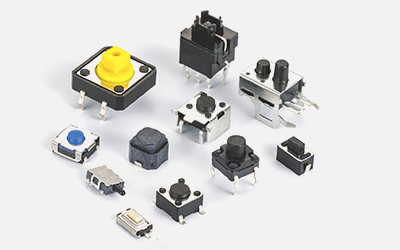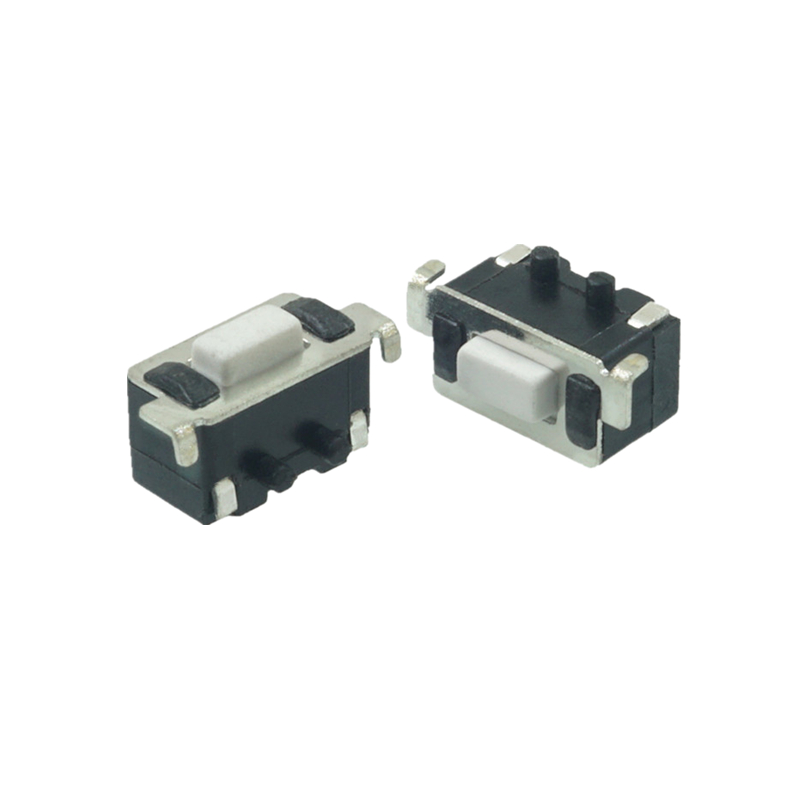
For a switch button, if it is widely used in enterprises or factories, the number of clicks on a surface mount button switch can reach several hundred times a day. So for long-term situations like this, we should pay more attention to the lifespan of switches and learn how to test their lifespan and understand their working principles.
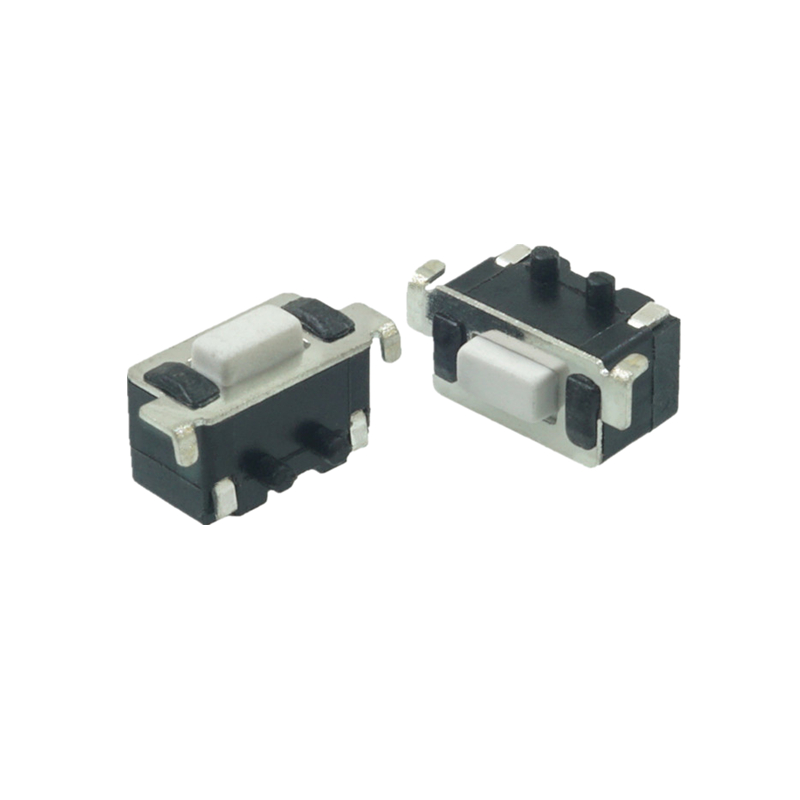
The key switch is achieved by pressing the handle to turn on and off the internal hardware shrapnel. This pressing process is called stroke, which is the distance between the shrapnel and the firing point. The second hand pressed is called the lifespan, and the current lifespan standard for this switch is 100000 times.
We often tell everyone that the key to the lifespan of a switch lies in its shrapnel. The material and precision of the shrapnel are important factors affecting its lifespan and hand feel. So is our lifespan judged by the quality of shrapnel? Obviously not, our material selection is only theoretical, and actual use still depends on our test results.
Standard method and process for testing the lifespan of patch key switches:
Firstly, we fix the switch on the panel of the machine, then adjust the weight to set the number of life cycles, and finally test the conductivity and feel of the switch after measuring the number of life cycles.
Life test standard: The weight of the weight is twice the force of the switch, and the switch is pressed at a frequency of 30-40 times per minute. After testing the mechanical performance, the electrical performance of the switch is tested. If the resistance exceeds 30m ohms after testing, it is judged as defective, but it is judged as a good product anyway.
After completing the lifespan test, it is also necessary to test whether the switch can be turned on and pressed, and whether the hand feel is maintained well. A good manufacturer of tactile switches requires a lifespan test for every batch of switches produced to ensure their stability.
 Haofu ElectronicsFocused on switch/socket/connector manufacturers
Building D, Fuhui Chuangyuan Industrial Park, Dongjiang Road, Huangjiang Town, Dongguan City