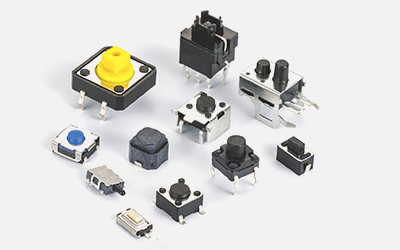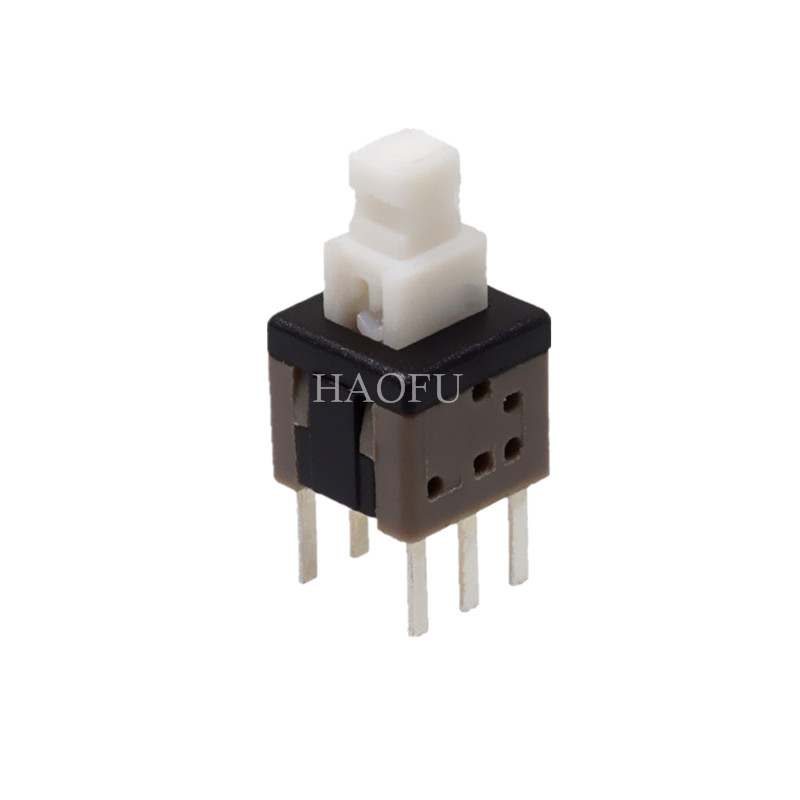
The difference between self-locking and non self-locking brackets is that non self-locking brackets require rubber rings or ligatures to secure the bracket and archwire, while self-locking brackets add a locking device that can be directly opened, adjusted, or fixed to the archwire. The friction force of self-locking brackets is lower than that of non self-locking brackets. On the basis of understanding the structure of Zhongshan self-locking switch, identify the reason why it cannot self lock and carry out maintenance. Possible faults include:
(1) The steel needle in the self-locking switch falls off from the groove of the slider, making the switch unable to self lock. Need to dismantle the self-locking switch and reinstall the steel needle;
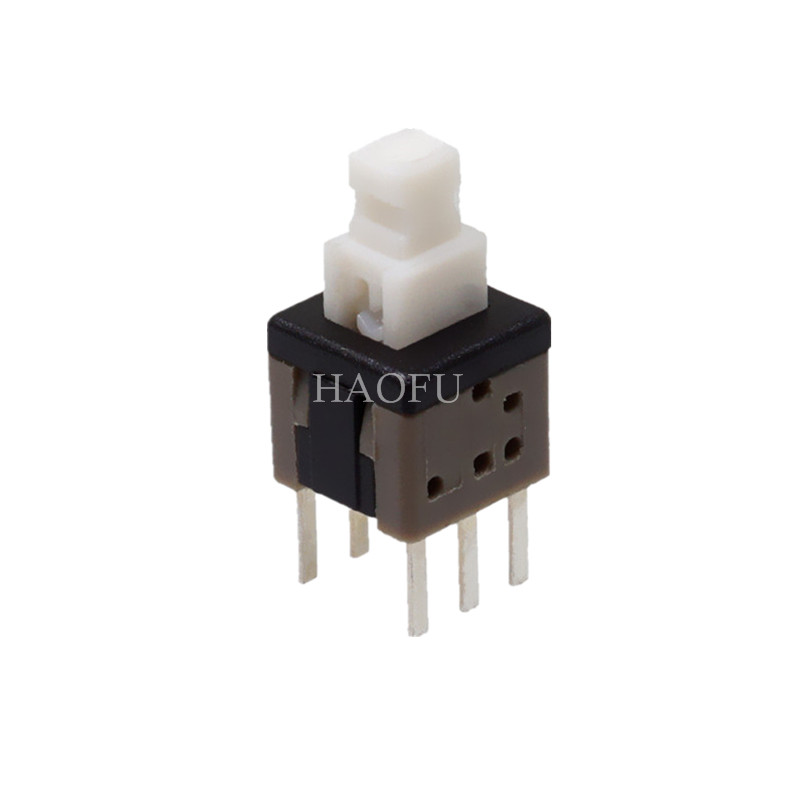
(2) The self-locking switch slider slot has too many flying edges, causing the switch steel pin to not be in place, making the self-locking switch unable to lock. To disassemble the self-locking switch, remove the slider and use a knife to repair the burrs in the groove, being careful not to damage the groove shape;
(3) The parts in the self-locking switch need to be replaced or the entire self-locking switch needs to be replaced due to long-term use or other reasons.
Secondly, in case of emergency use, the Zhongshan self-locking switch can be temporarily pressed with a heavy object to prevent it from bouncing back to its initial position and being connected.
 Haofu ElectronicsFocused on switch/socket/connector manufacturers
Building D, Fuhui Chuangyuan Industrial Park, Dongjiang Road, Huangjiang Town, Dongguan City