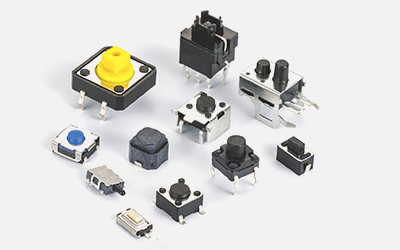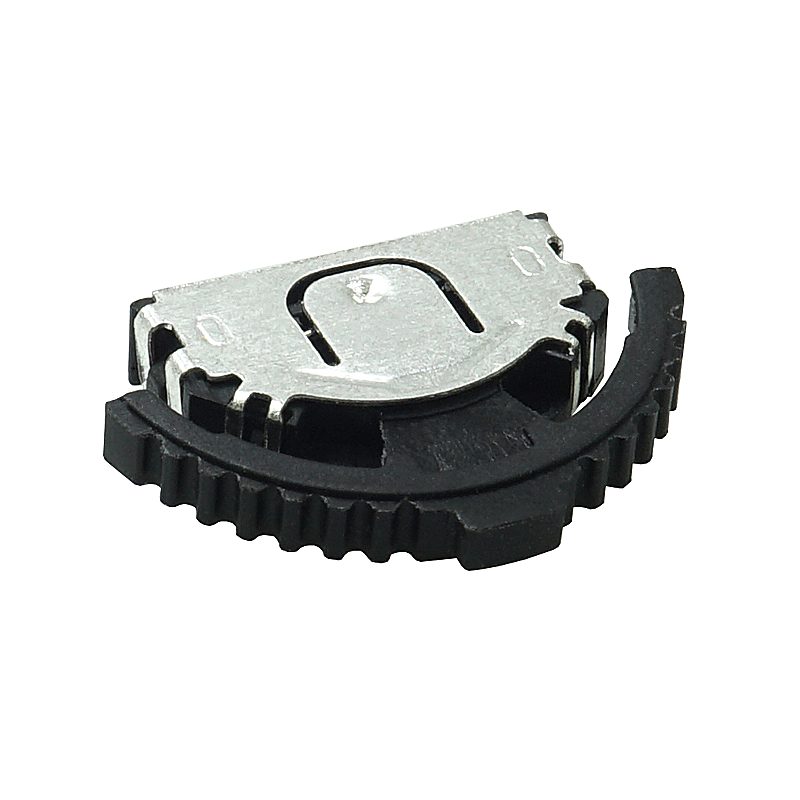
The service life of detection switches (especially mechanical ones) is mainly affected by three factors: mechanical wear, environmental erosion, and operating stress. The core logic of extending service life is to reduce wear, isolate erosion, and reduce stress. The following are specific extension methods for different types of detection switches (mechanical trigger, non-contact):
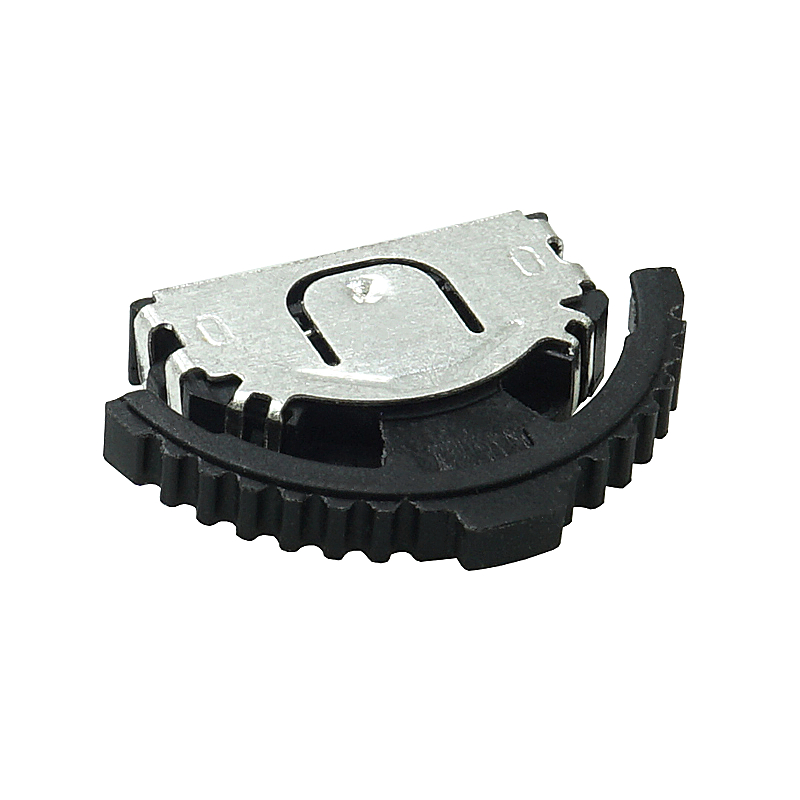
The bottleneck of the lifespan of mechanical detection switches lies in "contact wear" and "spring fatigue" (such as repeated deformation of key spring causing a decrease in elasticity), which need to be addressed from three aspects: "usage habits, environmental protection, and structural optimization":
1. Reduce operational stress: minimize physical damage to triggering components
Avoid excessive triggering:
Button type: When pressing, avoid using nails or hard objects (such as pen tips) to poke (which can easily scratch the button cap or crush the shrapnel). Gently press with fingertips until "trigger feedback" is triggered (no need to press hard to the bottom - excessive pressing will exacerbate shrapnel deformation fatigue).
Limit type: Ensure that the contact between the triggering object (such as a robotic arm or slider) and the switch push rod is "vertically aligned" (to avoid tilting and impact), and a guiding structure (such as a limit plate) can be installed to prevent the push rod from bending due to lateral force (deformation of the push rod can cause poor contact between the contacts).
Control trigger frequency (high-frequency scenario):
If used for high-frequency detection (such as assembly line counting, triggering 1-2 times per second), it is necessary to choose "high life models" (such as metal shrapnel with a lifespan of over 1 million times, instead of 100000 times for ordinary plastic shrapnel), and add "anti shake design" in the circuit (to avoid false triggering caused by high-frequency vibration and reduce ineffective actions).
2. Optimize environmental protection: isolate dust, water vapor, and corrosive media
The contacts (metal) and spring plates of mechanical switches are easily corroded by "water vapor+dust" (forming an oxide layer or dirt, resulting in poor contact), and targeted protection is required:
Sealing protection (key measures):
Wet/dusty environment (such as kitchen and bathroom): Choose a switch with a protection level of "IP65 or above" (such as a waterproof detection switch with a rubber seal ring), or add an additional dust cover or waterproof rubber sleeve (such as a microwave door control switch, which needs to be sealed with a silicone seal ring to isolate oil stains).
Corrosive environment (such as industrial workshops containing oil and chemical gases): Choose a switch with a "metal shell+gold-plated contacts" (the gold-plated layer is resistant to oxidation and corrosion), and regularly blow the surface with compressed air to avoid oil contamination.
Control the temperature and humidity of the usage environment:
Avoid long-term use at extreme temperatures (such as below -40 ° C or above 85 ° C) (low temperatures can cause shrapnel to become brittle, while high temperatures accelerate plastic aging);
In humid environments (humidity>80%), dehumidification devices (such as installing small dehumidification packs inside the equipment) should be used to reduce the risk of contact oxidation.
3. Reduce mechanical wear: reduce the loss of contacts and structural components
The core wear parts of mechanical detection switches are the "contacts" (arc erosion during connection/disconnection) and the "spring/push rods" (repeated deformation or friction), which need to be optimized from both design and use aspects:
Reduce contact wear:
Avoid "high current on-off": Mechanical contacts will generate arcs at the moment of on-off (the larger the current, the stronger the arc, and the more severe the erosion). If the circuit current is greater than 100mA, "arc suppression elements" (such as RC capacitance absorbers and diodes) need to be connected in series in the circuit to reduce the erosion of the contacts by the arc.
Choose "Silver Alloy Contact": Ordinary brass contacts are prone to oxidation, while silver nickel alloy and silver cadmium alloy contacts have stronger wear resistance and arc resistance (with a lifespan 3-5 times that of brass contacts).
Reduce wear and tear of structural components:
Avoid "eccentric pressing" when triggered: If the button type switch is tilted and pressed for a long time (such as using a fingernail to press the edge), it will cause uneven force on the push rod or spring, accelerating local wear - it is necessary to keep the pressing direction consistent with the switch axis (vertical pressing).
Regular cleaning and lubrication (for maintainable scenarios):
For exposed mechanical contacts (such as industrial limit switches), wipe the contacts with anhydrous alcohol every 3-6 months to remove the oxide layer;
For sliding parts (such as the gap between the push rod and the housing), a small amount of silicone grease can be applied (to reduce friction, but to avoid grease contamination of the contacts).
4. Avoid "improper use": Avoid overloading and accidental damage
Prevent 'overload triggering':
Mechanical switches have a rated "operating force" (such as 5N), avoid using tools (such as screwdrivers, pliers) to forcefully press them (which may directly crush the spring or shell);
The limit switch should be set with a reasonable "triggering stroke" (such as triggering only 1/2 stroke of the switch after the object is in place, rather than pressing it to the bottom) to avoid excessive force deformation of the push rod.
Avoid frequent on-off:
To reduce "invalid triggers" (such as repeatedly pressing buttons when the device is unstable), software can be used to set "trigger interval protection" (such as only responding to one trigger per second) to reduce unnecessary mechanical actions.
Prevent 'external impact':
Secure firmly during installation (such as locking with screws to avoid vibration and impact after loosening);
Install protective barriers on exposed switches (such as external buttons on devices) to prevent falling objects from hitting them.
5. Special maintenance of non-contact detection switches (photoelectric, magnetic)
Photoelectric detection switch:
Regularly clean the transmitting/receiving lens (wipe with a dust-free cloth dipped in alcohol to avoid dust blocking the light and causing accidental triggering);
Avoid direct exposure to strong light (such as sunlight, strong LED lights) - Strong light may interfere with the receiving end, causing frequent switch actions (increasing circuit losses), and a light shield can be installed.
Magnetic detection switch:
Stay away from strong magnetic field environments (such as electromagnets and large motors) - Strong magnetic fields may cause magnetization failure of metal sheets inside the reed switch;
Avoid severe vibration (the fine metal wires inside the reed switch are prone to breakage due to vibration).
 Haofu ElectronicsFocused on switch/socket/connector manufacturers
Building D, Fuhui Chuangyuan Industrial Park, Dongjiang Road, Huangjiang Town, Dongguan City